

Minimalism isn’t just a trend—it’s a lifestyle. And when it comes to minimalist interior design, two styles often top the list: Scandi and Japandi. Both are rooted in simplicity, function, and natural beauty, but they each carry distinct aesthetics and philosophies.
If you’ve found yourself torn between the cozy minimalism of Scandinavia and the serene elegance of Japanese-inspired design, this guide is for you. Let’s break down each style, who it’s perfect for, and the pros and cons to consider before choosing a design direction for your home.
Scandi—short for Scandinavian—originates from the Nordic countries of Sweden, Norway, and Denmark. It’s a style that emerged post-WWII, deeply influenced by the region’s long, dark winters. The result? A design ethos that emphasizes light, warmth, and simplicity.
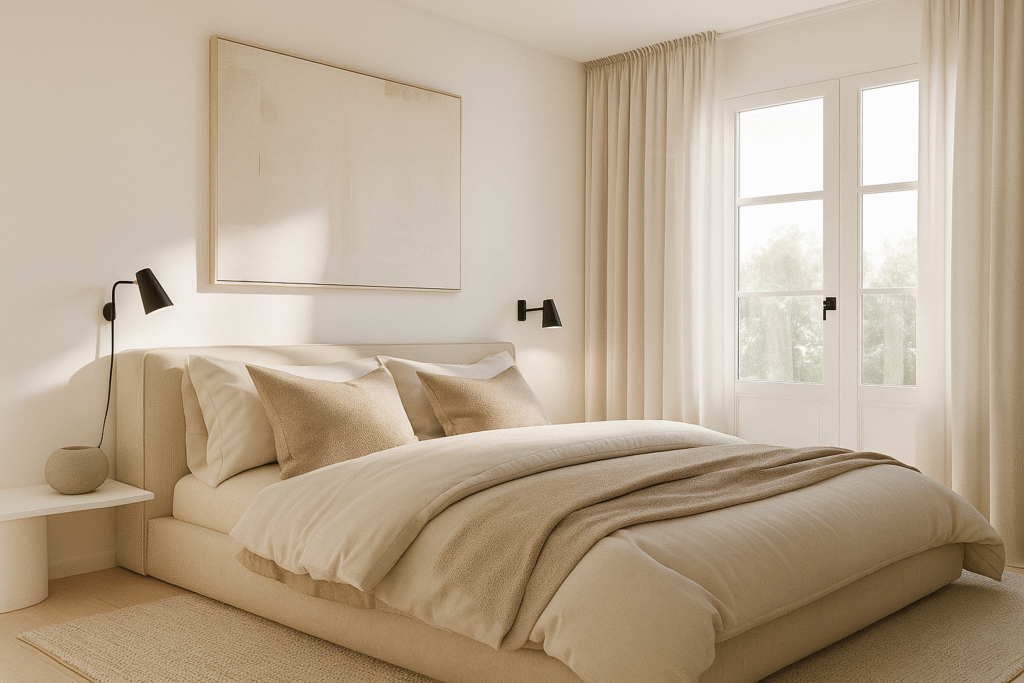
Key Features
Who is Scandi Style For?
Scandi style is perfect for:
Japandi is a fusion of Japanese and Scandinavian design principles—blending the Japanese concept of wabi-sabi (beauty in imperfection and impermanence) with Scandinavian hygge (coziness and contentment).
This hybrid design style focuses on serenity, balance, and craftsmanship.
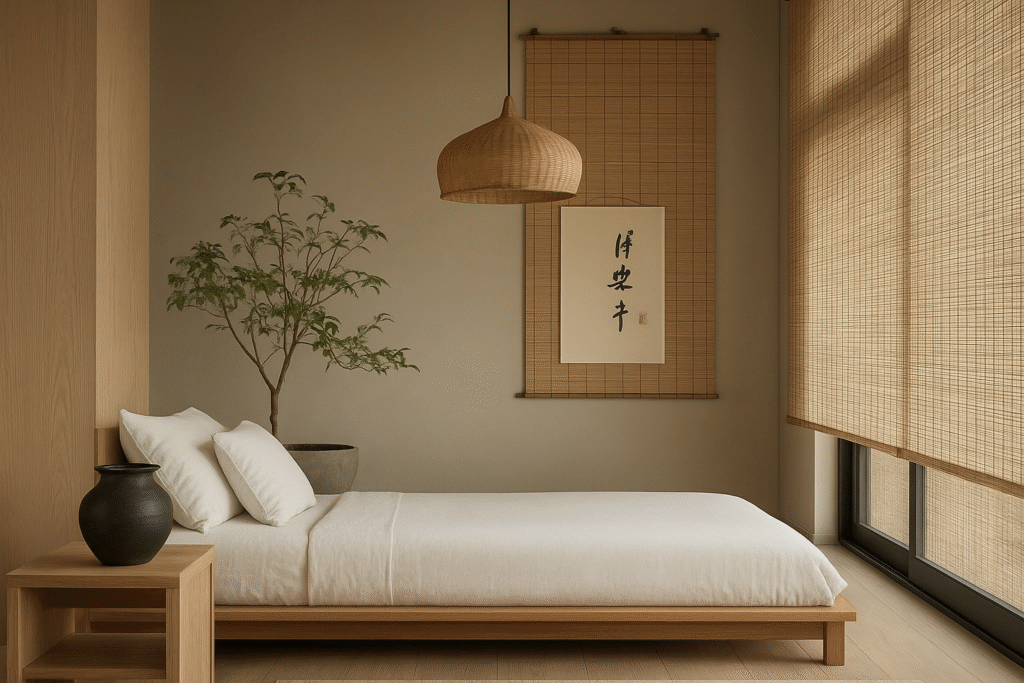
Key Features
Who is Japandi Style For?
Japandi is ideal for:
| Category | Scandi | Japandi |
|---|---|---|
| Color Palette | Cool neutrals (white, grey, soft pastels) | Warm earth tones (beige, taupe, rust, black) |
| Mood | Bright, airy, cozy | Calm, grounded, sophisticated |
| Furniture | Functional, IKEA-esque, simple | Refined, artisanal, low-profile |
| Materials | Light woods, wool, cotton | Dark woods, stone, linen, bamboo |
| Decor Approach | Hygge: comfort-forward | Wabi-sabi: imperfection-forward |
| Lifestyle Fit | Young families, renters, new homeowners | Design enthusiasts, mindful minimalists |
Still undecided? Here’s a simple breakdown:
Whichever you choose, remember this: both styles celebrate less but better. They strip away the noise, allowing your home to breathe and your life to feel a little more balanced.
At Edited Homes, we offer curated interior design packages and personalized styling for renters, expats, and busy folks who want beautiful spaces—without the stress. Whether it’s Scandi simplicity or Japandi sophistication, we’ve got you.
📩 Reach out for a free interior design consultation or explore our ready-to-style rooms online.
Get your personalized design consultation and start creating the home of your dreams.
Explore our Ready to Style Packages
Digital-first interior design service for modern homes in Singapore.