

Colour affects us on both psychological and physiological levels. The shades you choose don’t just change how a room looks—they influence how it feels and how you respond to it.
Warm colours like reds, oranges, and rich yellows can increase energy, stimulate appetite, and create a sense of vibrancy. In contrast, cool colours such as blues, greens, and soft greys promote calm, focus, and relaxation.
When selecting colours, always consider the function of the space:
Bedrooms benefit from calming hues – think gentle blues and soft greens that encourage rest and serenity.
Kitchens and dining areas can handle more energetic tones like warm yellows or muted oranges that inspire conversation and sociability.
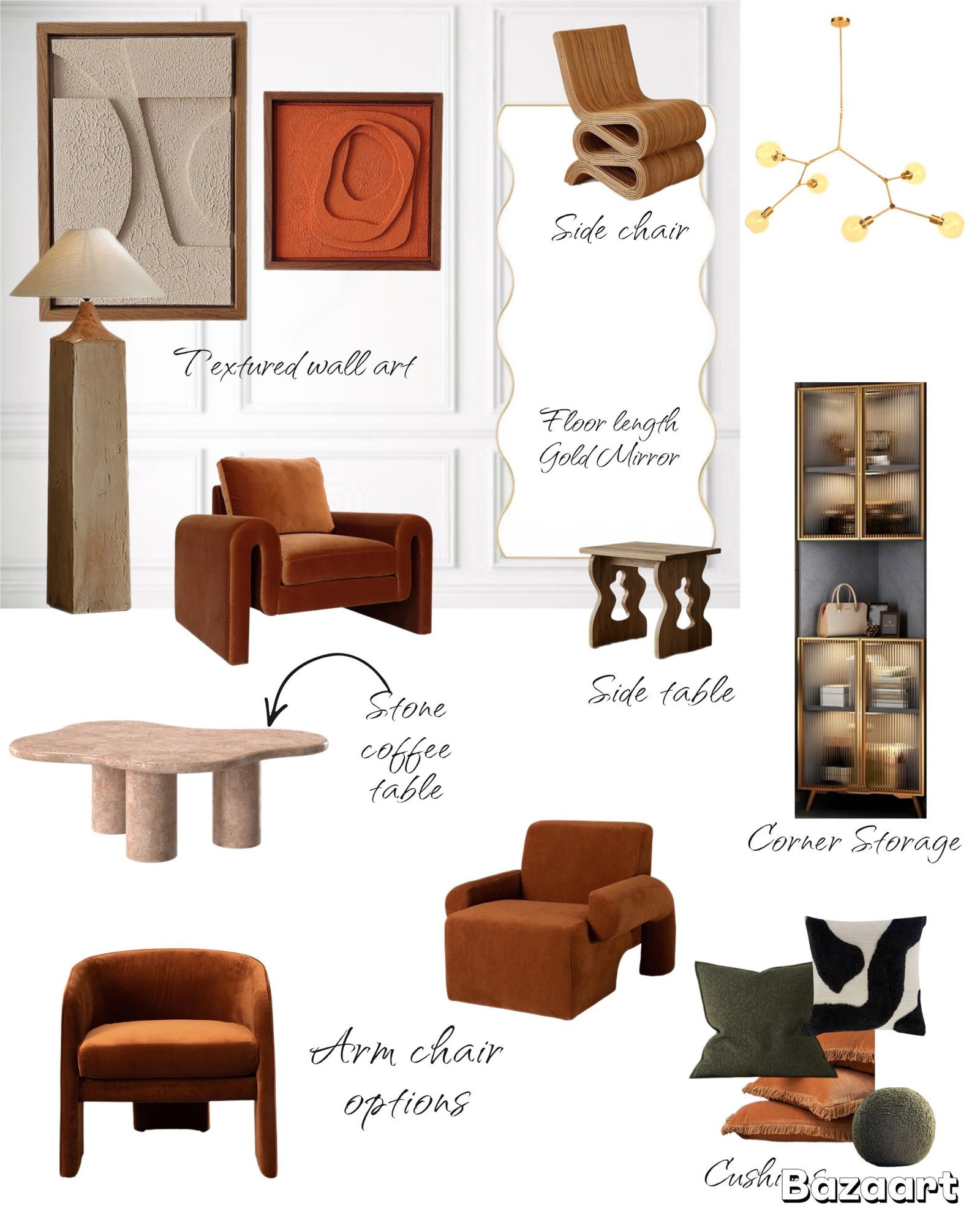
Living rooms often strike a balance, combining neutral bases with accents of richer colours to keep the space welcoming yet calm.
A simple guideline for balanced colour schemes is the 60-30-10 rule:
Use a dominant colour for 60% of the space—usually the walls and larger foundational pieces.
Apply a secondary colour to 30%—furniture, rugs, and substantial accessories.
Introduce an accent colour to the remaining 10%—cushions, artwork, or decorative details.
This approach ensures the room feels cohesive without appearing flat or overwhelming.
Never underestimate the power of colour to transform a space. Deep, saturated shades can make large rooms feel warm and intimate, while lighter tones help small spaces appear open and airy.
By understanding the science behind colour, you can make intentional choices that not only look beautiful but also support the way you want to feel in your home.
—The Edited Homes Team
Get your personalized design consultation and start creating the home of your dreams.
Explore our Ready to Style Packages